Warehouses today are facing constant pressure to move products faster and improve safety on an ever-decreasing budget. While many businesses invest in new forklifts, warehouse management software or automation technologies, one area that is often overlooked is battery handling.
Battery swaps become just part of the day-to-day routine where operators make do, often with a hodgepodge of equipment accumulated across decades. This oversight makes battery changes inefficient, often leading to unnecessary downtime, increased labour costs, equipment damage, and avoidable safety risks. All of which, in the moment, can easily slip to the bottom of the priorities list; the truth is, over time, these issues add up.
Automation can streamline the battery changing process. The initial investment is larger than that of manual equipment, but many operations find the long-term savings and productivity improvements worth it; here’s why:
What is included in an Automated Battery Handling System?
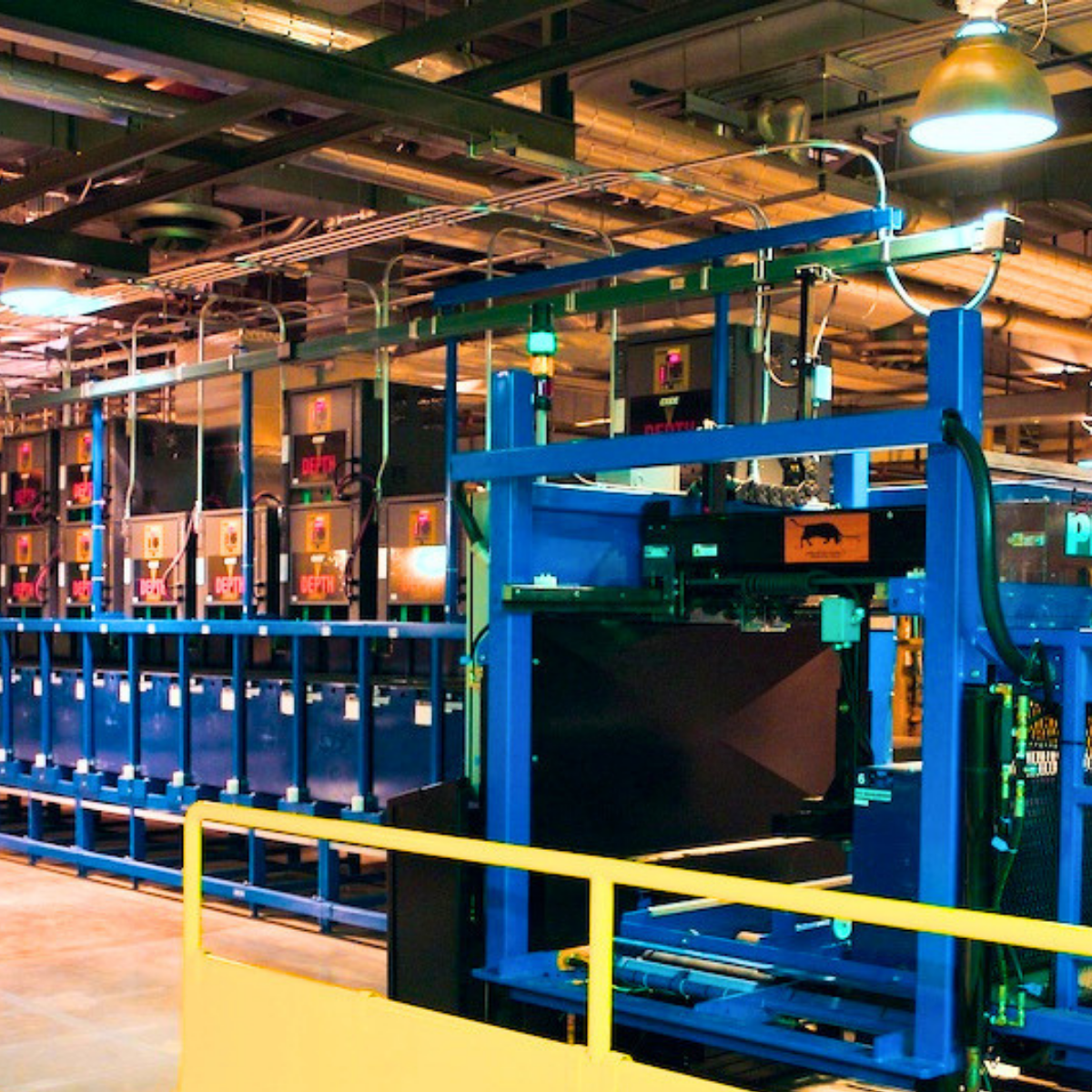
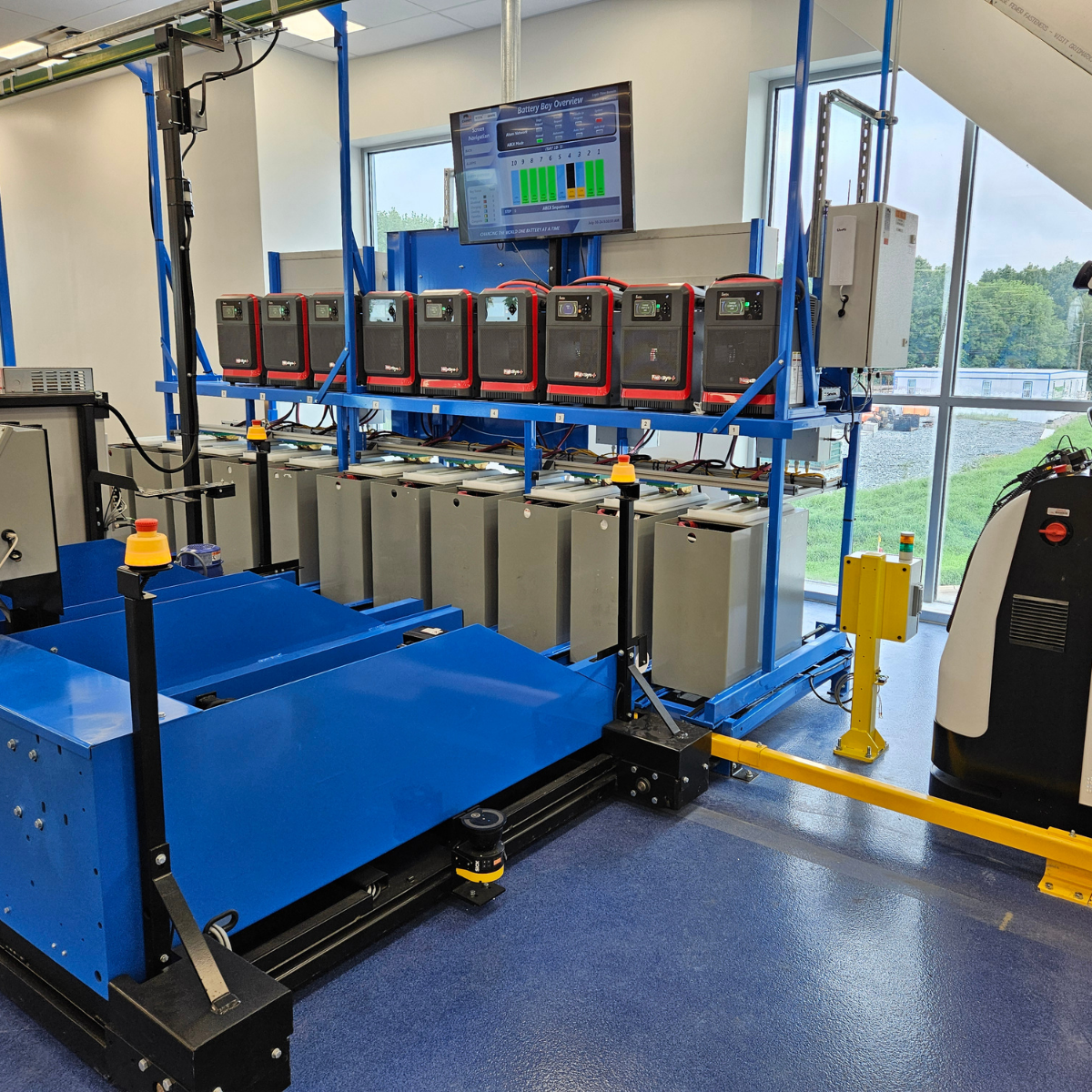
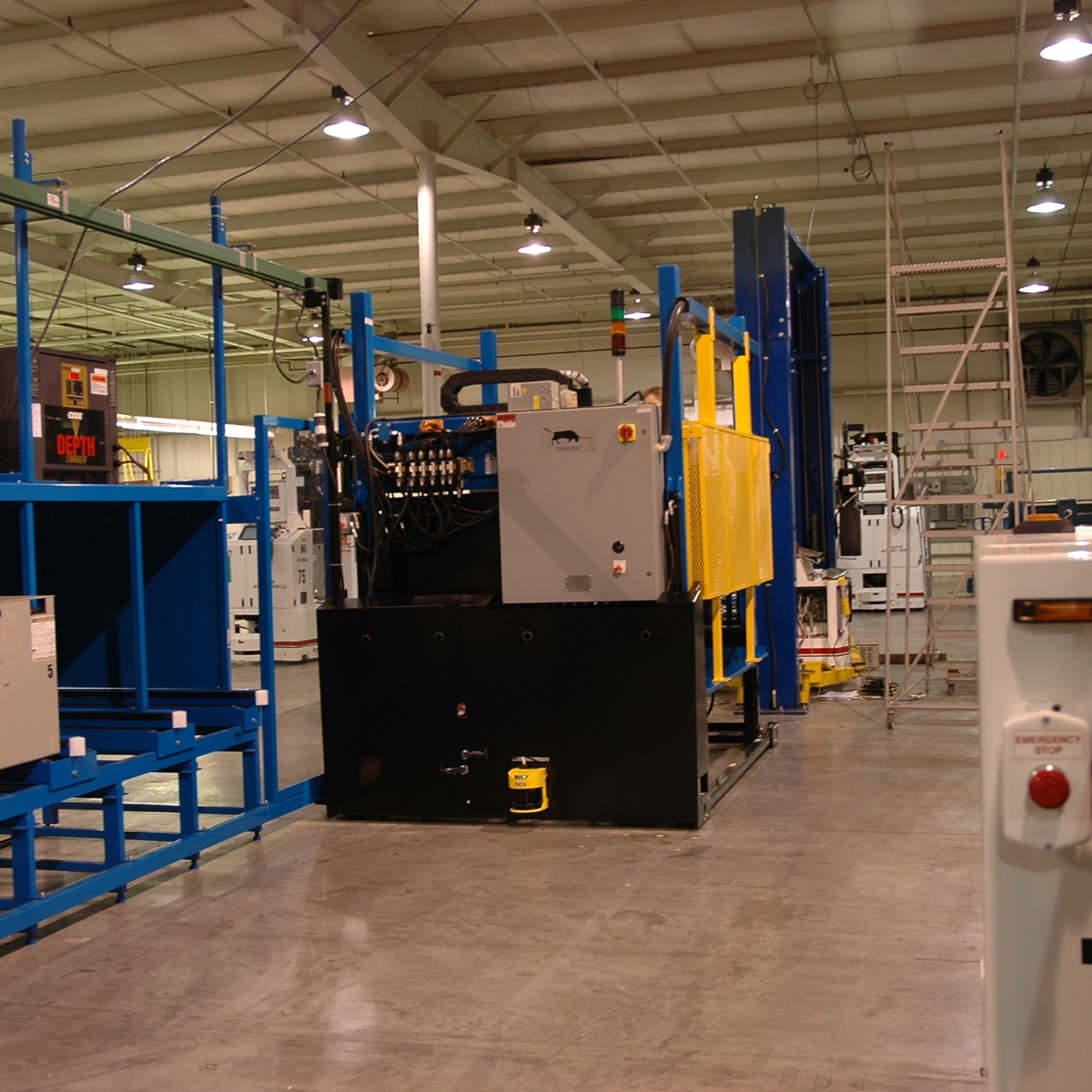
Automated battery handling systems safely remove, transport and replace industrial forklift batteries with minimal operator involvement. Depending on your operations, a fully automated system can include:
- Transfer carts
- Battery extractors
- Roller beds
- Lift tables
- Guided transfer systems
- Charging stations
Perfect for distribution centres, manufacturing facilities, logistics operations, cold storage warehouses, and anywhere electric forklift fleets operate continuously throughout the day.
By eliminating a medley of old equipment that no longer cuts it and standardizing battery changes, automated systems help improve operational efficiency, workplace safety and reduce asset damage, translating into quick, tangible returns.
Why Battery Handling Efficiency Matters
A battery swap may only take a few minutes, but when you add it up across dozens of forklifts and multiple shifts, it significantly impacts productivity.
For example, if each battery swap takes 10 minutes due to manual handling or inefficient equipment and the fleet has 20 electric forklifts operating two shifts per day, that’s more than three hours of lost productivity every day.
Over the course of a year, those lost minutes translate into:
- Increased labour costs
- Reduced forklift availability
- Slower warehouse throughput
- Higher operating expenses
Improving battery handling isn’t simply about changing batteries faster—it’s about maximizing the efficiency of your entire operation.
1. Reduced Labour Costs
A properly designed battery handling system simplifies what has traditionally been a physically demanding process. Rather than requiring multiple employees or time-consuming manual procedures, automated equipment allows trained operators to complete battery changes quickly and consistently.
The benefits include:
- Faster battery exchanges
- Reduced manual handling
- Better use of labour resources
- Standardized operating procedures
- Increased productivity across each shift
Instead of wasting valuable time waiting for a change or moving batteries, operators can focus on activities that directly support warehouse operations.
2. Less Equipment Downtime
Every minute a forklift sits idle waiting for a battery change is a minute it isn’t moving product. A good system reduces the time required for each battery change while helping eliminate delays caused by inefficient battery rooms or outdated equipment.
For example:
- 20 forklifts
- Two battery changes per day
- 10 minutes saved per battery change
Adding up to approximately 400 minutes of recovered operating time every day. The availability of additional equipment can significantly improve warehouse throughput without increasing fleet size.
3. Improved Workplace Safety
Industrial forklift batteries are notoriously heavy and require careful handling. Manual battery changes increase the risk of:
- Ergonomic injuries
- Pinch points
- Battery impacts
- Equipment damage
- Acid exposure when working with lead-acid batteries
Automated battery handling reduces these risks by providing controlled, repeatable movement of batteries throughout the changing process. Improving safety not only protects employees but can also help reduce workers’ compensation claims, equipment repairs, and costly operational disruptions
4. Longer Battery Life
Forklift batteries are a significant investment. It’s easy to reduce battery life with inefficient battery management practices; they create:
- Impact damage
- Misalignment during installation
- Damaged connectors
- Unmanaged battery rotation
- Poor charging practices
An Automated system can protect batteries during every exchange by providing smooth, controlled movement that minimizes unnecessary wear. This ultimately extends battery life and delays replacement costs, maximizing the value of every battery in your fleet.
5. Lower Equipment Repair Costs
Battery-handling equipment, forklifts, charging stations, and batteries work together as part of a complete system. Improper handling can lead to unplanned damage to other parts of your battery room:
- Forklift compartments
- Battery trays
- Connectors
- Rollers
- Charging equipment
Over time, these repairs become an ongoing additional expense. Creating a consistent battery-changing process with an automated system can help reduce accidental damage by minimizing unnecessary contact and wear.
6. Increased Warehouse Productivity
One of the greatest advantages of automation is consistency. Battery changes become faster, more predictable, and easier to schedule.
The result is:
- Improved forklift availability
- Smoother shift changes
- Reduced bottlenecks
- Better labour utilization
- Increased warehouse throughput
For operations running multiple shifts, these productivity improvements can have a measurable impact on overall performance. An automated setup also allows virtual battery management, allowing fleet tracking and performance monitoring from afar.
Calculating ROI
Automation is perceived to have a high acquisition price tag; however, when the true return on investment is analyzed correctly, many companies find they can meet or exceed their expectations. Some of our customers have seen an ROI in 18-24 months.
Actual ROI will vary depending on fleet size, warehouse layout, battery change frequency, labour costs, and operational requirements.
Curious about what your return on investment would look like? Calculate it here or let our team crunch the numbers for you. You may be pleasantly surprised.
Is an Automated Battery Handling System Right for Your Facility?
Not every operation requires the same level of automation.
Factors to consider include:
- Number of electric forklifts
- Number of daily battery changes
- Number of operating shifts
- Available labour
- Safety objectives
- Future growth plans
Larger, multi-shift facilities with high battery needs often experience the fastest ROI. However, mid-sized operations also find that automating their battery room drastically reduces maintenance costs, supports long-term growth and improves day-to-day efficiency, allowing them to move more product.
Choosing the Right Battery Handling Solution
Selecting the right battery handling system starts with understanding your operation. Important considerations include:
- Battery size and weight
- Fleet requirements
- Available battery room space
- Existing charging infrastructure
- Future expansion plans
- Maintenance and service requirements
A well-designed system should integrate seamlessly into your workflow and support both current production demands and future growth, reassuring facility owners that their investment will be effective and adaptable.
At Carney Battery Handling Ltd., every operation is different. That’s why our battery handling solutions are designed to meet the specific needs of each facility, helping customers improve safety, efficiency, and reliability in the long term.
Frequently Asked Questions
How long does it take to see a return on investment?
Many facilities recover their investment within two to four years, depending on labour costs, fleet size, and battery change frequency.
Is automated battery handling only for large warehouses?
No. While larger facilities often see faster returns, mid-sized operations can also benefit from improved safety, reduced downtime, and more efficient battery changes.
Can automated systems work with an existing battery room?
In many cases, yes. Battery handling systems can often be integrated into existing battery rooms with modifications tailored to the facility’s layout and operational needs.
Do automated battery handling systems require regular maintenance?
Like any industrial equipment, regular inspection and preventive maintenance help ensure reliable performance and extend equipment life.
Investing in Long-Term Efficiency
Battery handling is an essential part of keeping your fleet running efficiently. While every operation is unique, automated battery handling systems can deliver measurable returns by improving the consistency and reliability of one of the warehouse’s most important daily processes.
Whether you’re upgrading an existing battery room or planning a new facility, taking a strategic approach to battery handling can contribute to safer operations and stronger long-term performance. The 40 years we’ve spent in the industry help us help you. Here are a few of our favourite automated installations over the years.