
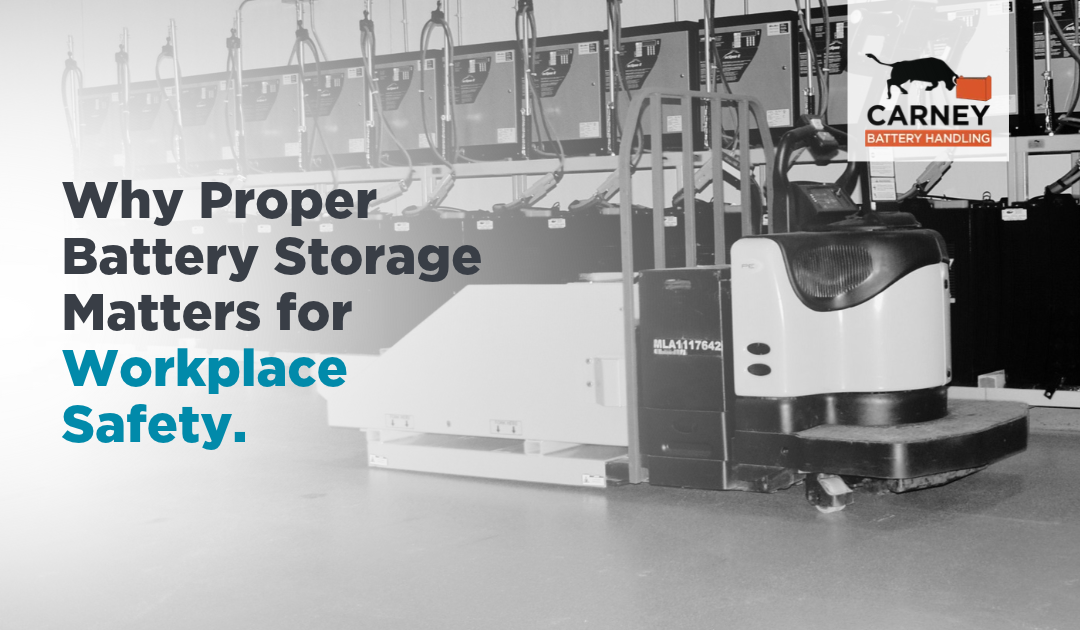
Batteries are key for operations to keep moving efficiently, powering everything to give teams the equipment they need to support daily operations. There is no doubt that they are critical power for distribution centres, manufacturers and warehouses alike, but keeping them stored properly is key to keeping them efficient.
Poor battery management doesn’t just create make-work projects for operators; it creates serious safety risks, damages equipment and leads to unnecessary downtime. Making proper battery storage practices essential for protecting employees, maintaining equipment and creating a safer work environment.
Preventing workplace hazards
Storing batteries without a dedicated space or the proper support for cable management increases the chances of workplace accidents and injuries. Depending on the battery type, hazards can include chemical leaks, electrical shorts, overheating and exposure to corrosive materials.
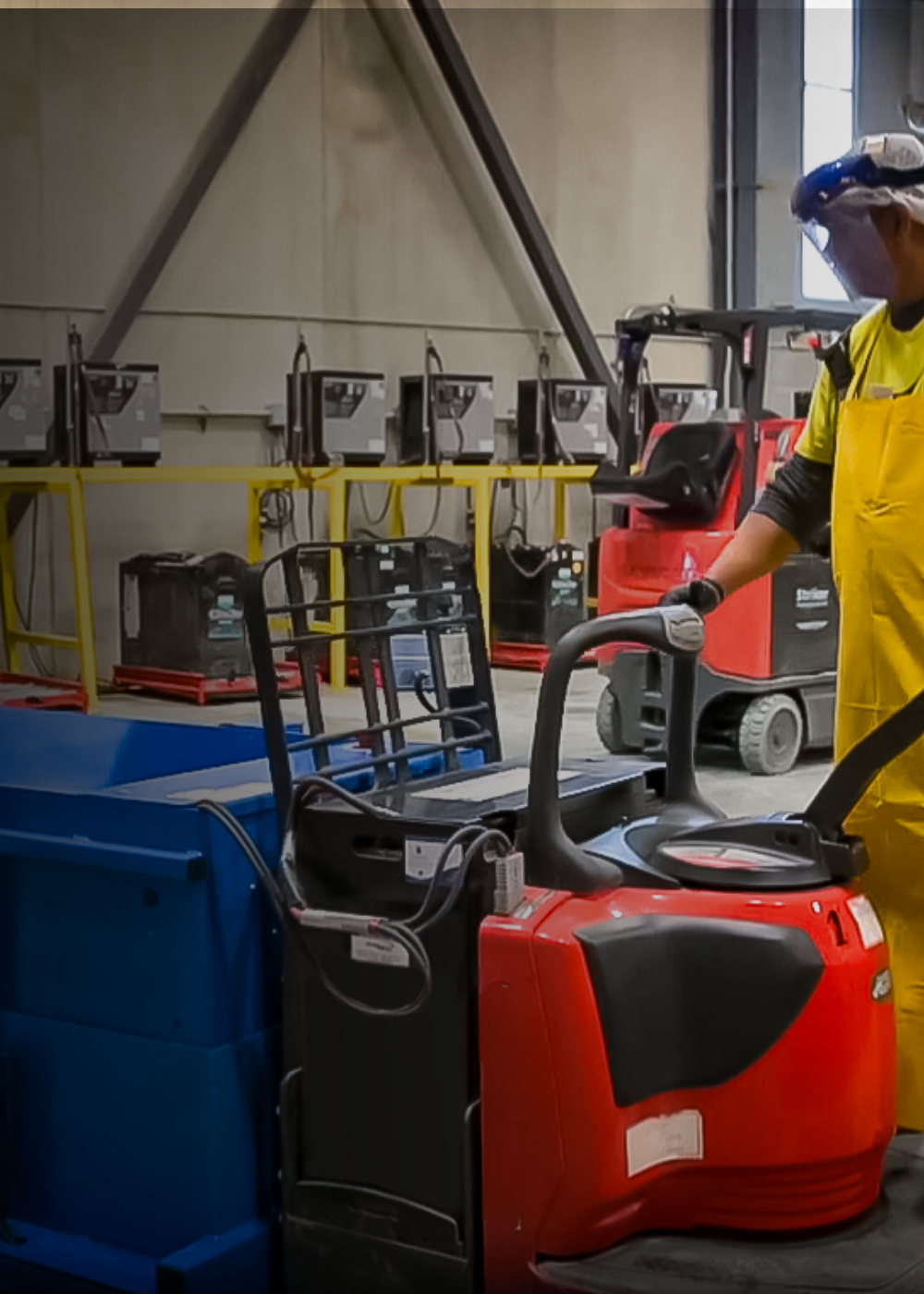
For example, charger cables can quickly become a tripping hazard when they aren’t stored properly. Cables left lying around put operators at risk, can get run over by trucks, and can also lead to improper charging, shortening battery life and potentially causing electrical issues. Having a designated space for battery storage, using the appropriate PPE and making sure batteries are charged correctly can go a long way in reducing these risks and keeping day-to-day operations safe.
Reducing the risk of fires & overheating
Where and how batteries are stored plays a big role in preventing fires and other workplace safety issues. Lithium-ion batteries, for example, can experience thermal runaway if they are damaged, improperly charged or exposed to unsuitable conditions. Lead-acid batteries can also produce hydrogen gas during charging, which creates an explosion risk when there isn’t enough ventilation. Taking the right precautions can help prevent these situations before they become a bigger problem. Workplaces should:
- Store batteries in appropriate, designated areas.
- Follow manufacturer-recommended temperature and storage conditions.
- Make sure there is adequate ventilation where required.
- Keep batteries away from ignition sources and incompatible materials.
- Regularly inspect batteries for signs of damage or overheating.
Putting these practices in place helps reduce potential hazards and gives employees a safer environment to work in.
Protecting employees through proper organization
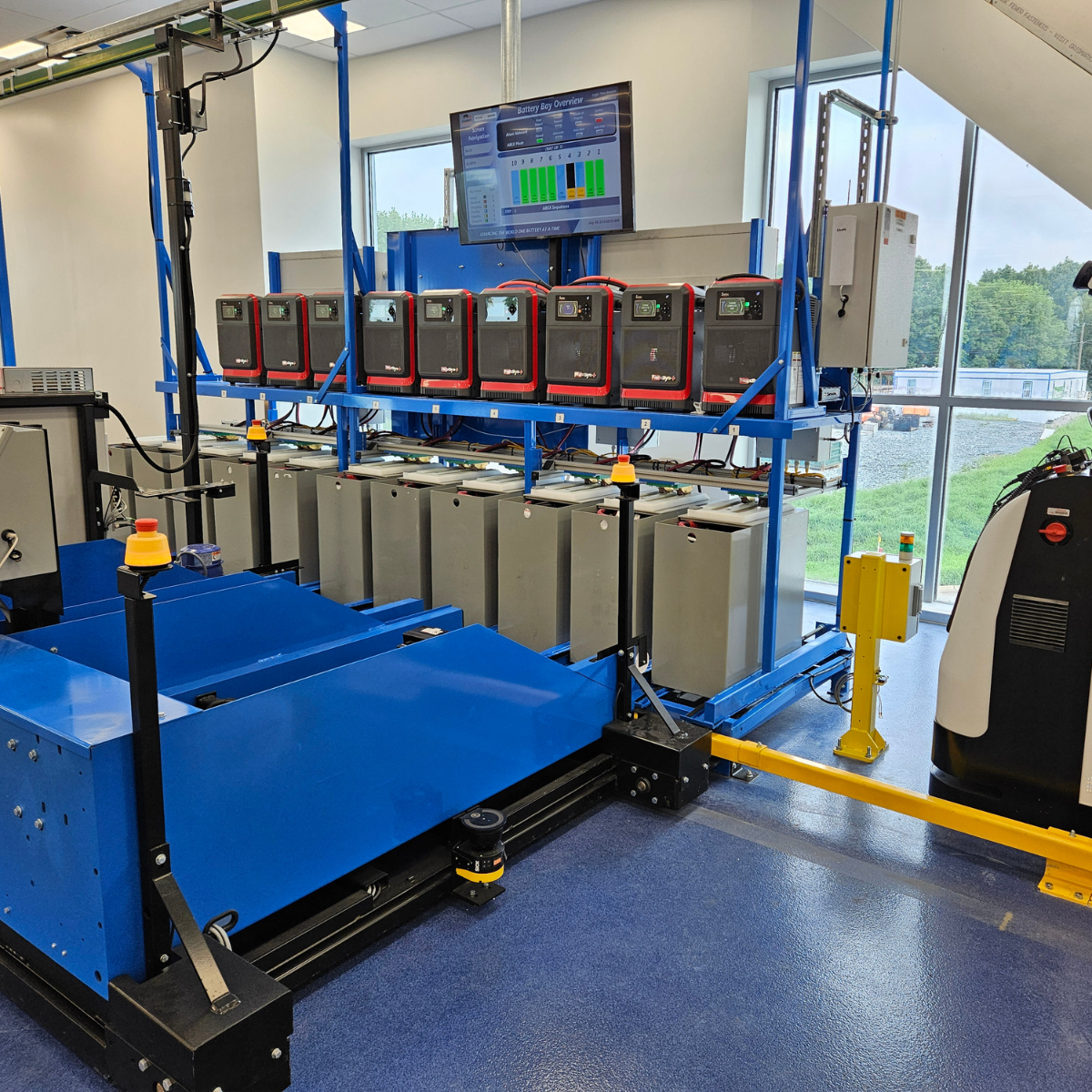
Keeping your battery storage area organized makes it easier for employees to handle, inspect and access batteries without creating unnecessary safety risks. Batteries should have designated storage locations, clear signage and enough room for employees to move around safely. Having the right battery handling equipment available also makes a difference, especially when employees are working with heavy industrial batteries.
A clean, organized storage area helps keep clutter out of the way, reduces the chances of workplace accidents and makes everyday battery handling much easier for operators.


Extending battery life and protecting your investment
Proper battery storage isn’t just about workplace safety. It also plays an important role in protecting your equipment investment. Batteries that are exposed to extreme temperatures, moisture, improper charging conditions or unsuitable storage for extended periods can lose performance and wear out sooner than expected.
Following the recommended storage procedures can help:
- Maintain battery capacity and performance.
- Reduce premature battery deterioration.
- Minimize unexpected equipment failures.
- Always adhere to the battery manufacturer’s charging guidelines
- Lower replacement and maintenance costs.
Taking care of your batteries even when they aren’t in use can make a big difference in how long they last and how well they perform when your operation needs them.
Supporting workplace safety compliance
Keeping battery storage safe also means making sure your facility follows the applicable health and safety requirements for storing, charging and handling batteries. Depending on the battery type and your facility’s operations, this can include proper ventilation, spill containment, emergency equipment, employee training, hazard communication and fire protection measures.
Having clear battery storage procedures in place helps employees understand what’s expected of them and how to handle the specific battery types used in your facility. Regular inspections and employee training are also important. They help catch potential issues early, address safety concerns and keep everyone on the same page when it comes to proper battery handling.
Investing in the right battery handling equipment
Having the right equipment makes storing and handling batteries a lot safer and more efficient. Battery handling equipment, such as battery stands, transfer carts, lifting devices and battery changing systems, helps reduce the risks that come with manually handling heavy industrial batteries. It also makes moving, positioning and changing batteries easier for operators. Choosing equipment that works with your facility’s battery types, weights and day-to-day operating requirements can make a noticeable difference in workplace safety and overall productivity.
Make battery safety a priority
Proper battery storage is an important part of keeping an industrial workplace safe, organized and running efficiently. By putting the right storage procedures in place, providing employee training, conducting regular inspections and investing in suitable battery handling equipment, businesses can reduce workplace hazards and protect their equipment investments. At Carney Battery Handling, we understand how important safe and efficient battery handling is in industrial environments. Having the right equipment and processes in place can make all the difference in keeping your operation running smoothly. Looking to improve battery handling safety in your facility?